The Stepladder Framework: Two Teams, One Contract, and a Ladder to Your Own AI Models
Stepladder is a pattern for adopting AI: two teams, one contract, and a migration ladder from managed services to your own models, without touching the apps.
Stepladder is a pattern for adopting AI: two teams, one contract, and a migration ladder from managed services to your own models, without touching the apps.
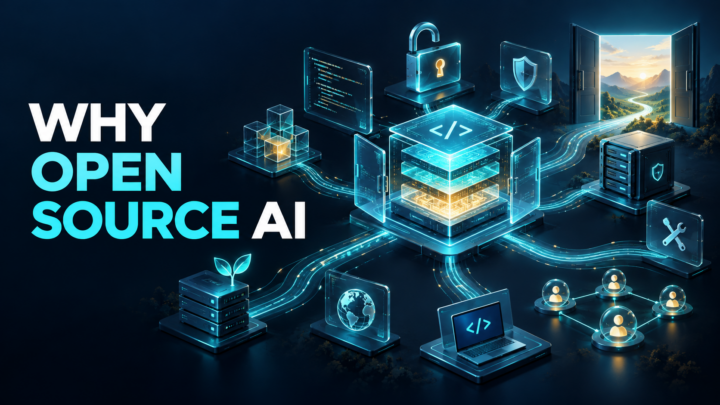
The honest case for open models: data control, cost shape, no lock-in, auditability, sovereignty, the real trade-offs, and when proprietary wins.
Open source AI consulting and guides by Zareef Ahmed: what open source AI means, how model licenses work, and which open models and tools to choose.

AI is quietly reversing what made IT a ladder for people without money. The real question is no longer who will use AI, but who cannot, and why: a matter of cost and of regulation, not technology.
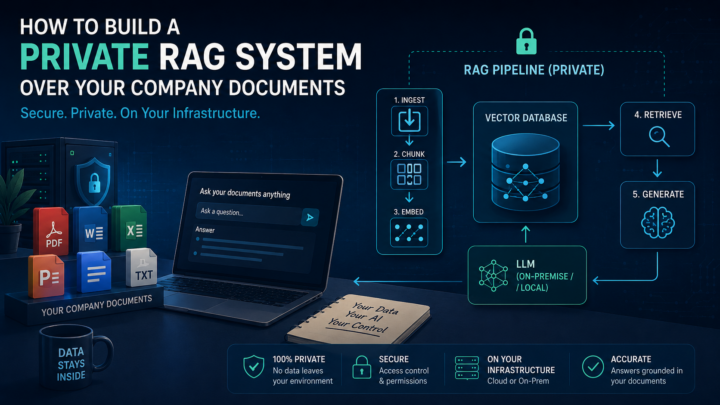
Retrieval-augmented generation turns your company's documents into something you can ask questions of, grounded in your own material and running entirely on infrastructure you control. The private stack, the build order, and the failure modes (permission bleed, stale indexes, uncited answers) that separate a demo from a deployment.
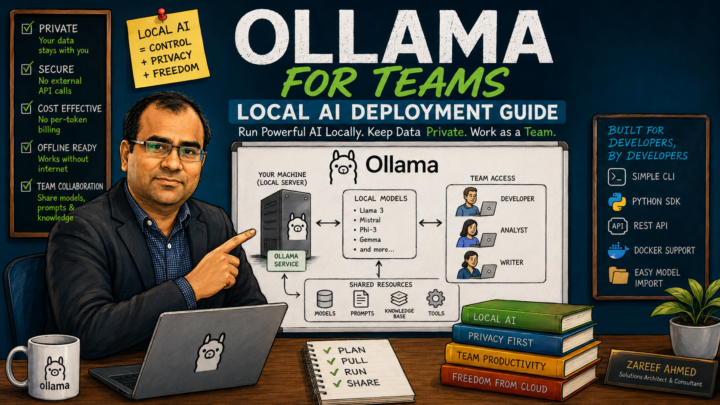
Ollama is how most engineers first run an open model: one install, one pull, and a model is answering on your laptop. My Ollama guide covers that single-machine story. This guide is the next chapter:…
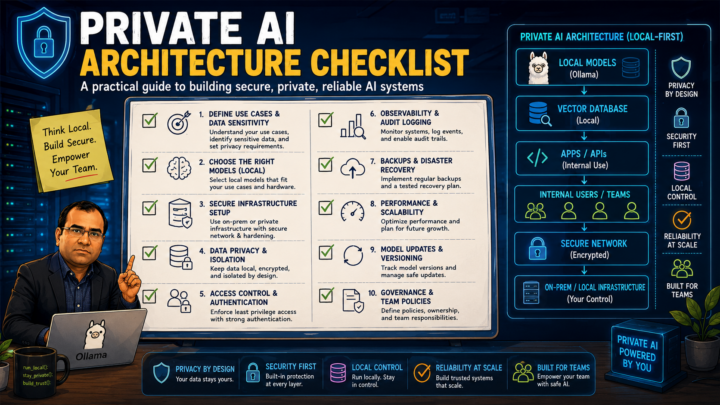
When I review a private AI deployment, planned or already running, I walk the same list every time. It exists because every item on it has bitten a real team somewhere: the endpoint that was…
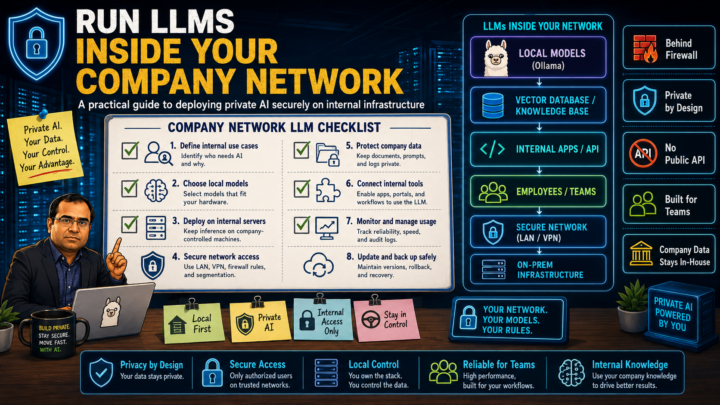
Running an open model on your own laptop takes fifteen minutes; my Ollama guide covers that. Running LLMs for a whole company is a different job: shared hardware, concurrent users, access control, and a service…
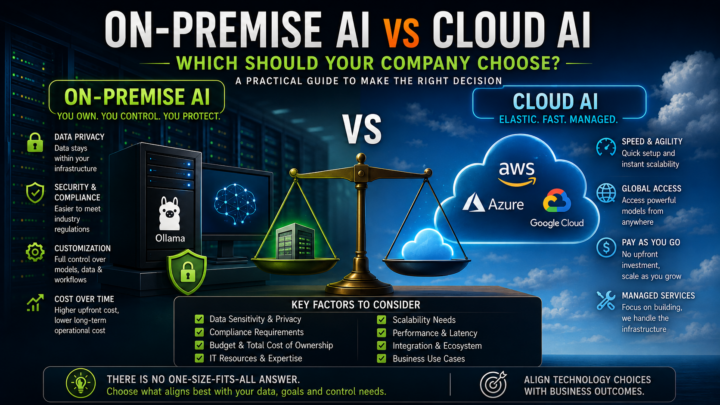
Every company adopting generative AI eventually faces the same question, usually sooner than it expected: should we call a cloud AI API, or run the models ourselves? I have sat on both sides of this…